
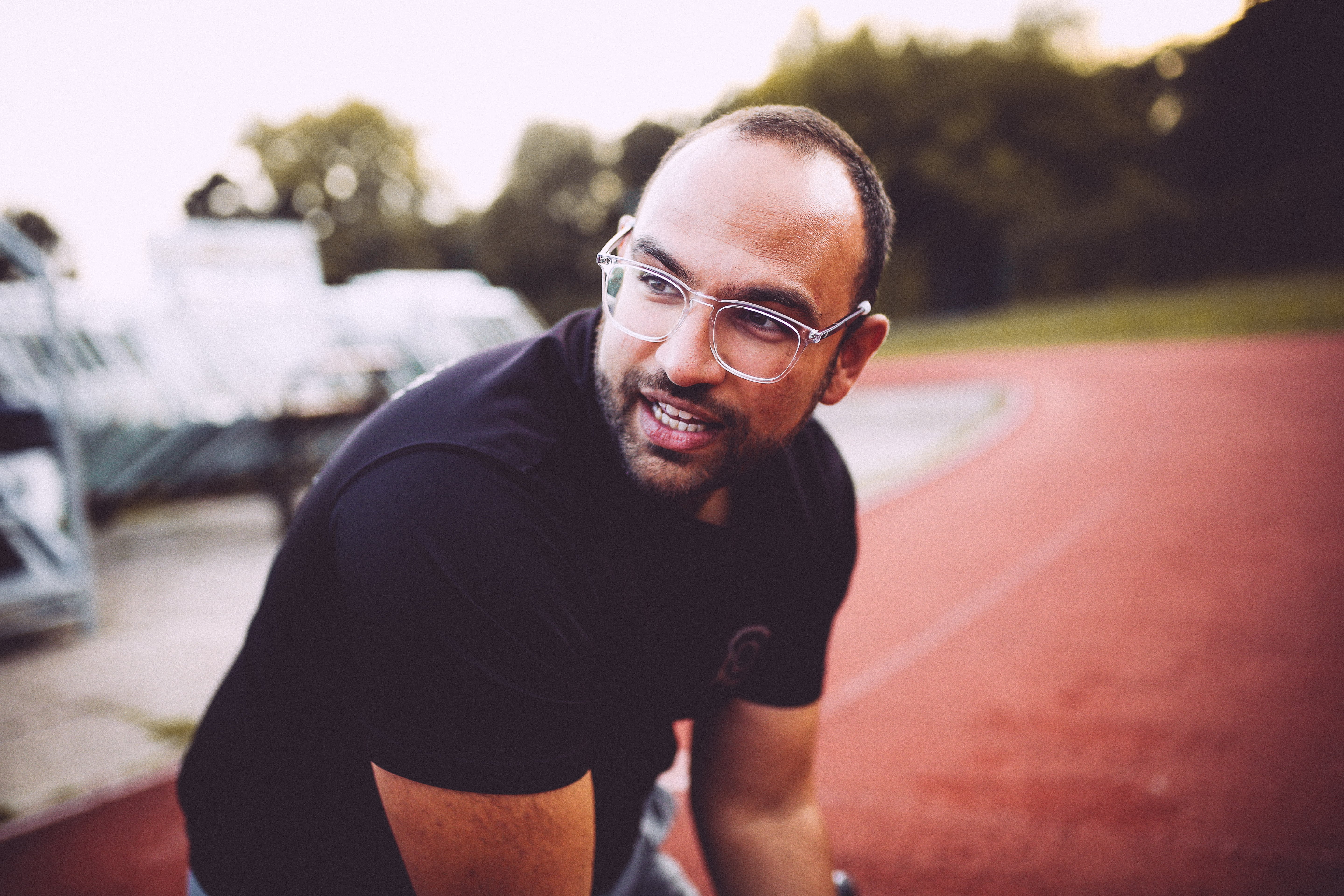
Exercising during the summer can be difficult and at times should be avoided, such as during extreme heatwaves.
Heat impacts exercise physiology by increasing thermoregulatory demand, cardiovascular strain, sweat loss and fatigue. These factors can lead to lower endurance performance and raise the likelihood of heat related illness.
Sometimes the best strategy is simply to avoid training outdoors altogether but, when temperatures are a little more comfortable, there are a few steps you can take to help manage the heat:
1 – Ensure you’re hydrated PRIOR to exercising, as in the couple of days ahead of your next run. Make sure you’re consuming a couple of litres of water with the recommended dosage of electrolytes, spread evenly throughout the day. The simplest way to ensure you’re hydrated is to check that your urine is light in colour, but not clear.
2 – Utilise external tools such as sweatproof suncream, a cap and ice. You’ll notice many athletes use bags of ice under their hats and around the neck when exercising in hot climates. The ice helps reduce the strain on the heart and that in turn means the body can focus more on the exercise at hand. If you don’t have ice, pour water on the back of your neck and wrists to cool the body down.
3 – Reduce the duration of your training and, if you’re working towards something like a marathon, split into early morning and late night sessions. That way you’re completing the same volume of training but in the cooler temperatures.
4 – Opt for an easier session that doesn’t tax the heart as much. Keep things easy, at a conversational pace if you’re performing aerobic exercise.
5 – Train in the cooler parts of the day and hit the shade where you can as this can dramatically reduce the heat you’re working in. Your body works a little less in cooler temperatures and this will improve both your performance and your sense of the difficulty level of your training session.
You can use the heat to your advantage, but not weather warning extreme heat. A group of Scandinavian researchers (Lybo et al., 2022) identified that heat acclimation is achievable when training moderately three times per week in hotter conditions (not extreme). This is for four weeks, with one hour sessions not at maximum effort. This strategy managed to not only acclimatise and reduce the impact of heat stress, but also mimic some of the positive effects of altitude training.”
Arj is a highly accomplished running and performance coach who has written Sports Science Degrees and helped more than 2000 people, from novices to Team GB Olympians, smash their personal bests across all distances.
Utilising his experience as a Decathlete and having worked with world leads in Nutrition and Athletics, Arj uses his own scientific model to provide clear guidance based on the latest research.
Arj is the founder of Performance Physique and is a 3 x National Running Show speaker.
Instagram @performance_physique
Facebook @Performancephysique